Ballroom Dance Classes in Brighton
Ballroom dance classes in Brighton, taught the way it should be for a first-timer: frame before flourish, a waltz you can actually use at a wedding, and a room that moves round so a missing partner never stops you booking. Pricing is £10 for one class, or £32 if you take four in a row. The evening is built from an interest list — get on it and you're near the front when the doors open.
 Ballroom · bring a partner or borrow the room
Say you want it.
We'll build it round you.
Ballroom needs a decent floor and a decent-sized group, which is why it opens from a list rather than a hopeful advert. Names go down, numbers add up, a room and an evening get booked. No charge for any of that, and no obligation once it happens.
- £10 each time once it's running, or £32 for four consecutive weeks
- Come as a pair or come alone — the room rotates either way
- Beginners' material from the first bar; nothing assumed
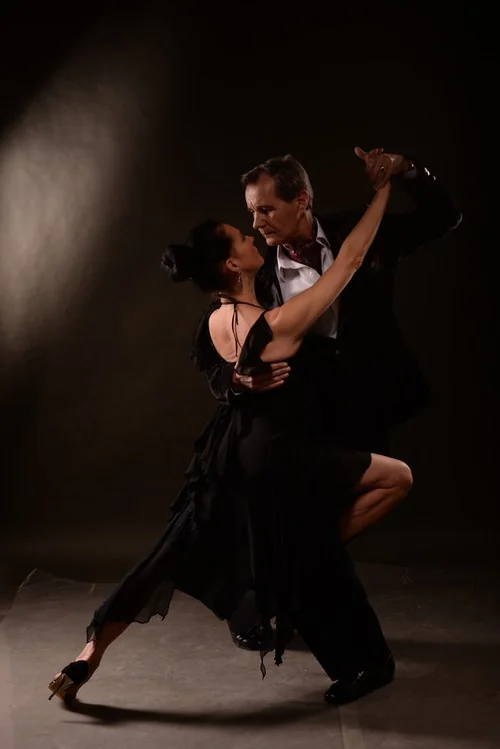 Closed hold · practice floor
The practical detail, before you commit anything.
- WhereA central Brighton room with floor enough to travel on, a few minutes from the station — full address sent when we launch
- WhenWeekly, on an evening picked once the list justifies it
- Level & agesBeginners and improvers · 17–75 · partner entirely optional
- Cost£10 drop-in · £32 for four weeks (£8 a class)
The dancing everybody assumes they'll pick up on the night.
They won't, and that's fine
Almost everyone meets ballroom the same way: a wedding, a cruise, a work do with a live band, and a dawning realisation that shuffling in a circle is not the same as dancing. Then Saturday-night television puts a sequinned version of it on the screen and the appetite gets sharper still. What nobody supplies is the boring, brilliant beginning — where the hands go, how two people share one balance, why a frame is a piece of engineering rather than a pose.
What the class actually teaches
The staples, in the order that makes them usable: a social waltz, the travelling rhythm of a quickstep, and a cha-cha for the evenings when the band goes Latin. Partners change every few tracks, which sounds sociable and is really pedagogical — leading or following one familiar person teaches you that person, not the dance. Anyone attending as a couple can decline the rotation; plenty do. Everything sits alongside the rest of the Brighton timetable if you fancy stacking two styles.
Where ballroom takes people
Some stay for the waltz and never leave. Others get a taste for the closed hold and move sideways into tango, which is the same shape with a completely different temperament. A large number arrive because a wedding is coming and leave with a first dance that no longer terrifies them, and the odd hen group books a Strictly hen party class off the back of a month's ballroom. The room itself skews wide — retired couples, thirty-somethings who fancied something with rules, and a good number of people who signed up alone.
Roughly how a first block goes.
Guide, not gospelThe frame
Standing together properly — hand positions, a bit of tone through the arms, and walking without treading on anybody.
A waltz you can use
Three counts, the box, and the gentle rise and fall that separates a waltz from a rotating hug.
Getting moving
Quickstep rhythm and travelling round the floor in one direction with everyone else, which is harder and funnier than it sounds.
Something Latin
A cha-cha basic to round the month off, because most real dance floors change mood halfway through the night.
Read that as a rough direction of travel. Teachers write their own classes and adjust the order to suit whoever has turned up.
Ballroom, without the mystery.
Including the awkward one about dates.
Do I need a partner for ballroom?+
Not remotely. A good proportion of any beginners' ballroom room arrives on its own, and the rotation is designed around that. Couples who'd rather stay together simply say so and we leave them to it.
Which ballroom dances get covered?+
The socially useful ones first — waltz, quickstep and a cha-cha — because those cover most of what a wedding band or a function room will throw at you. What follows depends on what the group asks for as it improves.
Is ballroom just for the retired crowd?+
That stopped being true a while ago. Beginners' ballroom now draws people in their twenties and thirties as heavily as anyone else, and the two groups get on rather well because everyone is equally lost in week one.
Is it like the version on television?+
Same dances, none of the fake tan or the scoring. Television compresses months of rehearsal into ninety seconds of performance; a class does the unglamorous version where you learn a step, repeat it, and gradually stop having to think about it.
What should I wear and what goes on my feet?+
Something you can turn in, and shoes with a smooth sole — leather-soled shoes or a low court heel are ideal, trainers with a heavy grip are not. Ballroom shoes are a nice luxury and never a requirement. We don't stock, hire out or sell footwear or clothing, so wear what you already have.
How soon will ballroom actually be running in Brighton?+
Straight answer: when the list is long enough to fill a floor. Ballroom needs more space than most styles, so it waits for solid numbers — and everyone who signed up hears the date and the address ahead of any public announcement.
So what am I paying for ballroom?+
£10 on the door for a single class, or £32 for four weeks taken together, which brings it to £8 a class. Sitting on the list costs nothing at all.
Where would the ballroom class be held?+
Central Brighton, in a hired room with enough floor to travel across, close to the station and easy from Hove or Kemptown on the bus. The exact address goes out with your launch email.
We're getting married in a year — is ballroom worth it?+
It's the single best preparation there is. A couple who can hold a frame and keep time have already solved the hard part of a first dance, and everything after that is decoration.
Is ballroom hard work physically?+
Gentler on the joints than most dancing, but not idle — quickstep in particular will find your calves and your lungs. It is an hour on your feet with short breaks, which suits most bodies and most ages.