Line Dancing Classes in Brighton
Line dancing classes in Brighton, taught the way the dance genuinely works: one wall at a time, everybody facing the same direction, nobody required to bring a partner or a single week of previous experience. It costs £10 a class, or £32 for a block of four consecutive weeks. The class opens off an interest list, so add your name and you will hear the start date before it appears anywhere public.
 Line dancing · never needs a partner
One name on a list
is how a class begins.
Nothing here runs until the interest list can fill a floor, which is deliberate: a half-empty room is a miserable place to learn rows. Get your name down and you shape when it happens, then hear about it first, with the evening and the address in the same email.
- £10 for one class, or £32 to take four consecutive weeks
- No partner, ever — the format is built for solo dancers
- Comfortable shoes and a willingness to count are the whole kit list
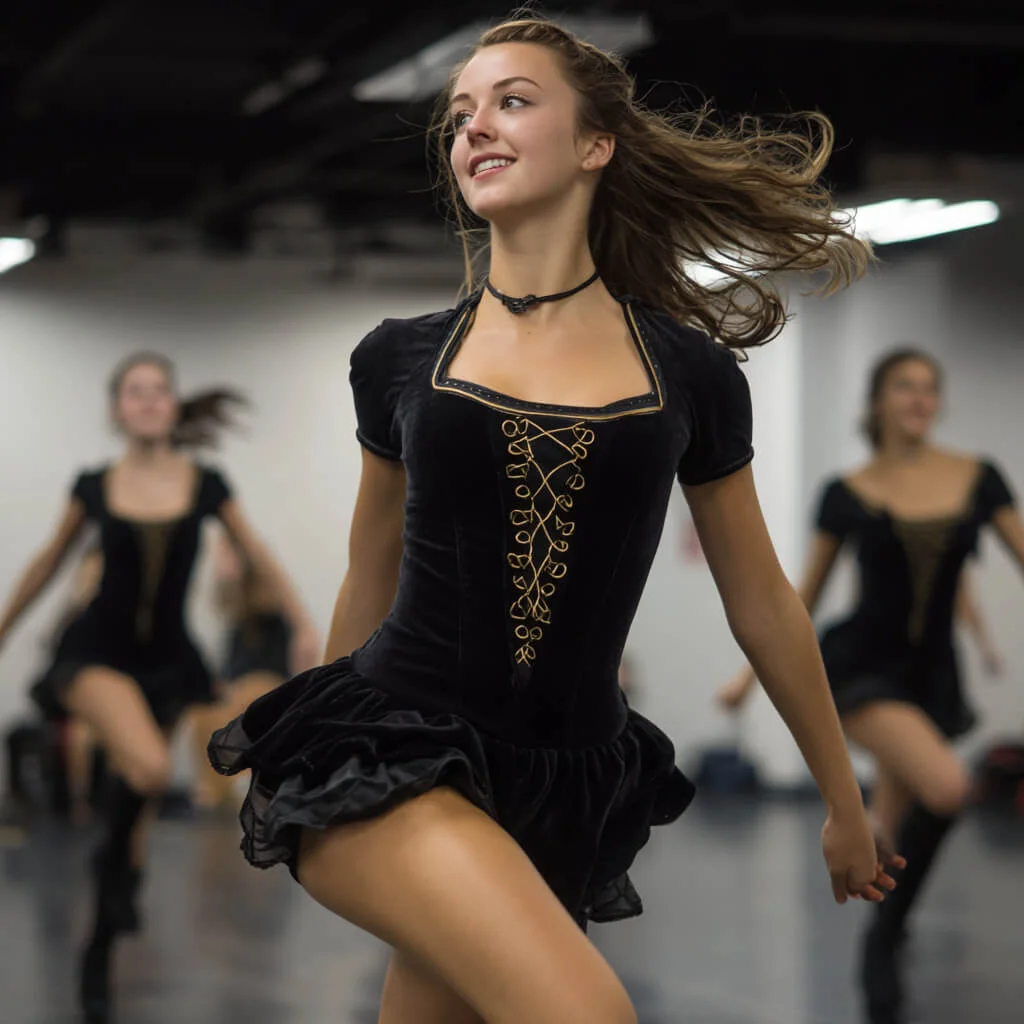 Group floor · studio
How the class will run once it opens.
- WhereCentral Brighton, a few minutes from the station and the main bus routes — building named in your launch email
- WhenA single weekday evening, fixed when the list can fill the floor
- Level & agesComplete beginners upward · 17–75 · solo dancers by design
- Cost£10 drop-in · £32 for four weeks (£8 a class)
The dance that was designed so you could arrive alone.
Nobody has to bring anybody
Line dancing is the one social form built from the ground up to work without a partner. You stand in loose rows, everyone faces the same wall, and the dance itself does the organising. That single fact removes the thing that keeps most adults out of a dance class entirely: the fear of being the spare person hovering at the edge of the floor while pairs sort themselves out. Turn up on your own, stand wherever you like, and you are already doing it exactly right.
How the dances are built
Nearly every line dance is a short block of counts — thirty-two is the classic — that repeats, with a turn at the end that re-points you at a new wall. Learn the block and you have learned the whole dance; the turn simply changes the view. Better still, the vocabulary is small and endlessly reusable, so the grapevine picked up in the first week reappears in the next dance, and the one after that. Within a month most people can walk into an unfamiliar dance and catch it by the third pass, which is a properly satisfying trick to own.
Music, ages and where it leads
The soundtrack is far wider than the boots-and-hats stereotype suggests: modern dances get choreographed to chart pop about as often as to anything twangy, and the floor tends to gather a spread of ages that most fitness classes would envy. From here, people regularly add ballroom once they decide they would quite like to hold onto somebody after all, and the occasional group books a line dancing hen party class when a friend gets engaged and wants something everyone can do. The rest of what we run is on the Brighton class page, but this is the one we would steer a nervous first-timer towards.
Four weeks, in broad strokes.
The floor decides the speedThe block
A thirty-two count sequence, walked through at a crawl until the feet stop arguing with the count.
The wall change
The quarter turn at the end, and the small trick of spotting a new front without losing your place.
Vocabulary
Grapevines, heel splits, kick-ball-changes — the recurring words that unlock dozens of other dances.
Two dances, to music
The month's material at proper tempo, plus a second dance learned faster because the vocabulary is already yours.
A rough outline rather than a curriculum — each teacher picks their own dances and adjusts the pace to the room in front of them.
Line dancing, answered.
Start dates dealt with honestly, near the bottom.
Do I need to bring a partner?+
No, and there is nowhere to put one. Line dancing happens in rows with everybody facing the same way, so arriving solo is the default rather than the brave option. Couples are welcome, but you will not be dancing with each other much.
Is it all country music?+
Far from it. Choreographers build line dances to chart pop, soul, disco and the occasional film soundtrack, and a typical block will roam across all of it. Some country turns up, because the form owes it a debt, but it is not the whole diet.
Do I need cowboy boots?+
You do not. Any comfortable shoe with a sole that slides a little will do the job; heavy grip fights the turns. If you eventually want boots they are yours to buy — footwear isn't something we stock, lend or hire out.
I have no sense of rhythm. Should I bother?+
Rhythm is a skill, not a gift, and counting is the cheat code. The steps are taught to numbers before they are taught to music, which means you get several weeks of scaffolding before the track ever runs at speed.
How much do I have to memorise?+
Less than you fear. Each dance is one short block that simply repeats, so once the block is in, the dance is in. The recurring step vocabulary means every new dance is partly made of things you already know.
Is there an upper age limit?+
Not in practice. The impact is low, the direction changes are gentle and people dance this well into their seventies. If a knee or a hip has opinions, tell the teacher and the turns can be scaled down without you missing anything.
Is there a start date for line dancing?+
No, and pretending otherwise would be daft. The list is what creates one: when enough people have signed up to run a block properly, everyone on it is emailed before the website says a word.
How much per class?+
Ten pounds for a single class on the night. Thirty-two pounds if you take a run of four weeks together, saving you eight pounds over the same four. Nothing is charged for being on the list.
Whereabouts is it?+
In town, close to the station and the main bus routes so it works from most of Brighton and Hove. We name the building in the email that announces the start date.
Will it count as exercise?+
Rather more than it looks. An hour of continuous walking, turning and pivoting adds up, and the low-impact format means you can do the whole session rather than sitting half of it out. It is a sociable hour that happens to move you.