Flamenco Dance Classes in Brighton
Flamenco dance classes in Brighton that begin where the art form itself begins: with the rhythm. Hands before heels, the twelve-count before any choreography, and a weekly hour that treats posture and attitude as technique rather than decoration. Adults, absolute beginners, no castanets in sight. £10 a class or £32 for four weeks, and the class opens off the back of an interest list — sign up and the date lands with you first.
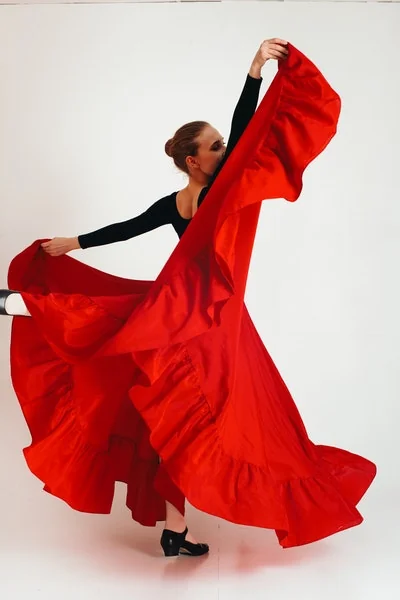 Flamenco · rhythm before choreography
Brighton has the appetite.
We need the names.
Flamenco is one of those styles people mean to try for a decade before they do. The list is where that intention turns into a room: when it is deep enough to run properly, everyone on it hears the evening, the central studio address and the shoe question, in the order they signed up. No obligation attaches to any of it.
- When it runs, a class is £10 — or £32 buys the four-week block
- Any shoe with a hard sole and a strap will do to start
- Taught from the first clap upwards; prior experience is irrelevant
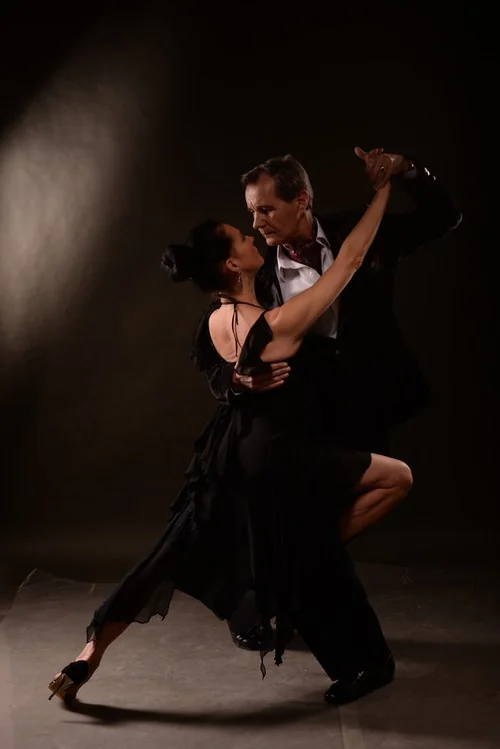 Posture and pulse · studio
What you'd be signing up to, in four lines.
- WhereCentral Brighton, walkable from the station and the seafront — full address emailed at launch
- WhenAn evening slot each week, chosen once the list justifies it
- Level & agesBeginners and returners together · 17–75 · nobody needs a partner
- Cost£10 drop-in · £32 for four weeks (£8 a class)
Flamenco is a rhythm you join, not a routine you learn.
Compás comes first
Nearly every flamenco form runs on a repeating cycle of counts with the accents landing somewhere unexpected — twelve of them, often, with the stress in the places an English ear least anticipates. Get that under your hands with palmas and half the battle is done, because the feet are only ever answering it. Spend an evening clapping and you will already understand more than a year of copying steps would give you.
Then the rest of the body
Above the waist, flamenco is all shape: a long spine, arms that unfurl from the shoulder rather than the elbow, wrists doing quiet complicated work. Below it, the feet mark, then strike, then start to say something back. That vertical split — proud and still on top, busy underneath — is what gives it its charge, and it is also why the style suits adults who have no interest in bouncing about. If you like the idea of holding a room without moving fast, this is the class. Tango is its nearest neighbour on our timetable for exactly that reason.
Where it turns up next
Flamenco reaches most people through an evening in Spain, a guitar record, or a friend's hen weekend, and Brighton being Brighton it also arrives via the festival crowd every May. The weekly class is the version with actual technique in it, and it sits on the Brighton class timetable alongside nineteen others. If it is a one-off party you're after rather than a term of study, the flamenco hen party class covers that ground instead — same style, entirely different afternoon. Regulars in this class tend to come from Hove, Kemptown, the Lanes end of town and out along the Sussex line from Lewes and Shoreham.
A four-week block, roughly.
The room sets the paceHands
Palmas and the twelve-count, sitting down if need be. You clap the rhythm long before you dance it.
Carriage
Spine, shoulders, braceo — the arm path that makes everything after it look deliberate rather than apologetic.
Feet
Marking, then heel and toe with weight behind them. Downstairs neighbours are the only real casualty.
Putting it together
A short sequence with an entrance, a bit of footwork and an ending that arrives on the right count.
Take that as a sketch rather than a scheme of work — the teacher writes their own material and moves at whatever speed the room can actually take.
Flamenco, answered.
The start-date question gets a straight answer too.
Must I buy proper shoes before I come?+
Not for a first block. A closed shoe with a hard sole and a low stacked heel — a boot, a court shoe, anything that makes a noise and stays on — gets you through the early weeks. Shoes are not something we sell, hire out or lend, so use what you own and buy properly later if the style sticks.
Is flamenco realistic for a complete beginner?+
Yes, provided the class starts in the right place. Ours opens on rhythm rather than repertoire, which means week one asks you to listen and clap rather than remember a sequence. Nobody is thrown into fast footwork on a first night.
What is compás and why does everyone go on about it?+
Compás is the rhythmic cycle a flamenco form lives inside — the accent pattern that tells the dancer, the guitarist and the singer where they are. Learn it and the choreography explains itself. Skip it and you will always be a half-beat behind whatever the room is doing.
When will the Brighton flamenco class actually begin?+
The straight answer is that it begins when the list reaches a workable size — this is a specialist style, so it gathers steadily rather than overnight. Everybody registered is told the date first, in the order they joined, before it goes up publicly.
What am I paying once the class is live?+
£10 for a single evening, paid at the door, or £32 for four consecutive weeks, which brings it to £8 each. Sitting on the interest list costs nothing whatsoever and never becomes a bill by itself.
What should I wear?+
Something that lets you see your own feet and your teacher see your hips: a skirt below the knee if you have one, or leggings and a fitted top if you'd rather. Skirts, shawls, fans and shoes are not supplied by us — bring your own or manage without, since none of them are needed to learn.
Where in the city would it be held?+
Central Brighton, a few minutes from the station, in a studio with a floor that can take percussive work — that last point rules out a lot of rooms, which is why the venue is confirmed with the launch email rather than promised now.
Am I going to annoy people with the stamping?+
In the studio, no — a room chosen for flamenco expects the noise. At home, practise the arms and the palmas and save the heels for class, which is what most people in the room end up doing anyway.
Is this a fitness class in disguise?+
It isn't sold as one, but the calves and the core notice within a fortnight. Standing tall for an hour while your feet work hard turns out to be demanding in a way that surprises people who came for the drama rather than the effort.
Can I come by myself?+
You can, and most do. Flamenco is danced alone by design, so there is no partner to find, no rotation to worry about and no one waiting on you. You need a spot on the floor and nothing else.