Tap Dance Classes in Brighton
Tap dance classes in Brighton for grown-ups who are mainly in it for the noise. Tap is a percussion instrument you wear on your feet, so the first job is a clean, deliberate sound — shuffles and steps you can hear from the back of the room — long before anything is allowed to get quick. £10 a class, £32 for four weeks, and every block opens from an interest list you can join today.
 Tap · sound before speed
Make a noise.
Starting with the list.
Tap needs a floor that can take it and a room that can hear it, so the block opens when the space and the sign-ups both stack up. Add your name and the evening, the address and the sensible advice about shoes all arrive in one email, ahead of any announcement.
- £10 for one class once running, or £32 for four weeks in a row
- Hard-soled shoes are fine to begin — nothing to buy in week one
- Counting out loud is encouraged and briefly compulsory
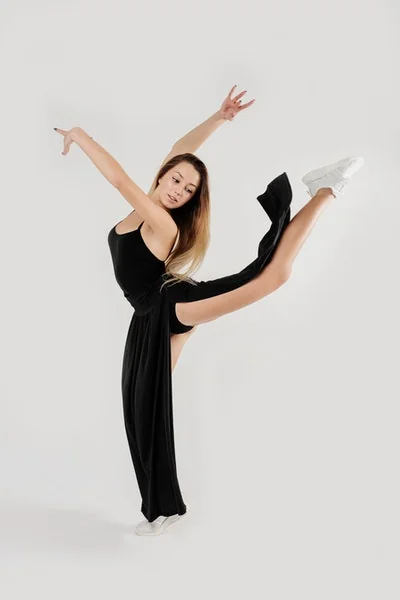 Rhythm hour · studio
How the block will run once it opens.
- WhereCentral Brighton, walkable from the station and in a room whose floor and neighbours can take the racket — address emailed on launch
- WhenA weekly evening, locked in once the list and the floor both work
- Level & agesAdult beginners and returners · 17–75 · no experience assumed
- Cost£10 drop-in · £32 for four weeks (£8 a class)
An instrument you happen to wear.
Sound is the point
Tap is percussion first and choreography second. Your feet are producing noise rather than shapes, and that single reframing changes how the whole class is taught: we care about whether a shuffle is clean and audible long before we care whether it is fast. A mushy triple is worth nothing at any tempo. A crisp one at half speed is already music, and a room of thirty crisp ones is a genuinely thrilling sound to be standing in the middle of.
The adult beginners' version
A striking number of people arrive having tapped between the ages of six and nine and stopped for reasons they can no longer reconstruct. A little of it comes back in the first twenty minutes; most of it does not, and that hardly matters, because the adult version is taught differently anyway. Sounds get named, counted and drilled slowly. Weight transfer — where the body actually is at the instant a foot makes a noise — gets far more airtime than any child's class would give it, because adults grasp it quickly and it silently fixes almost everything else.
Shoes, noise and what comes next
You do not need proper shoes to start. A hard-soled shoe makes enough noise to learn on, and we would rather you banked a month of experience before spending money on metal. When you do buy a pair, buy them yourself — footwear is not something we stock, lend or sell to anybody. After a block or two people often glance across at jazz, since the two share a vocabulary and most of a century of history, and the occasional couple decides a bit of rhythm belongs in their first dance. The other nineteen styles live on the main classes page.
Roughly what a first block contains.
Clarity before tempoSingle sounds
Toe, heel, dig, brush. Named, counted, and made loud enough to hear from across the floor.
Shuffles
Two sounds from one leg, which is harder than it reads and the foundation of nearly everything else.
Putting weight on it
Flaps, ball changes and the business of arriving somewhere rather than just making a noise on the spot.
A short phrase
Eight or sixteen bars strung together and taken up to tempo, played rather than performed.
A rough contents list rather than a fixed course — teachers write their own material and take the tempo the room can actually hold cleanly.
Tap, answered.
Shoes, knees, noise and the honest start-date reply.
Do I need tap shoes to start?+
No. A hard-soled shoe makes plenty of sound for the first few weeks, and you will learn more about what suits you by waiting. We do not sell, lend or hire tap shoes, so when the time comes it is your purchase to make.
What else should I wear?+
Anything you can move in comfortably, with trousers or leggings that let the teacher see your ankles — ankles are where the technique lives. Bring water. As above, none of it is kit we provide.
I tapped as a child and stopped. Where do I start?+
Right here with everyone else, and you will probably move faster than you expect. Returners tend to find the sounds resurface quickly while the timing takes longer, which is precisely what an adult beginners' block is built to rebuild.
What if I have no musical training?+
None is needed, though you will end up more musical than you arrived. Everything is counted before it is played, rhythms are broken into their component sounds, and the class effectively teaches rhythm as a side effect of teaching feet.
Is it hard on the knees?+
Less than people fear, because good tap is small and low rather than bouncy. The technique keeps the work in the ankles and the feet, the warm-up is thorough, and anyone with a dodgy knee should say so early so the teacher can adjust.
Is it very loud?+
Gloriously so, which is why the room matters as much as the teacher. We look for a floor that responds well and a building that will not mind, and that requirement is part of why a start date takes a little organising.
Any date for the first tap block?+
None on this page, because there genuinely is not one yet. The list decides it. Once the block is scheduled, everybody who signed up is emailed before it is announced anywhere else.
How much does it cost?+
£10 a class. £32 for four weeks bought in one go, which works out at £8 each. Adding your name to the list costs nothing at all and never turns into a charge.
Where does it take place?+
Central Brighton, within walking distance of the station. The specific address goes out in the launch email once the floor and the room are both confirmed.
What music do you tap to?+
A wider spread than people expect. Swing and jazz standards are the obvious home, but rhythm works against soul, funk and plenty of modern tracks, and a fair amount of good tap happens with no music behind it whatsoever.